Эта статья отображается на Английский, так как она недоступна на выбранном вами языке.
Where Darkness Ends
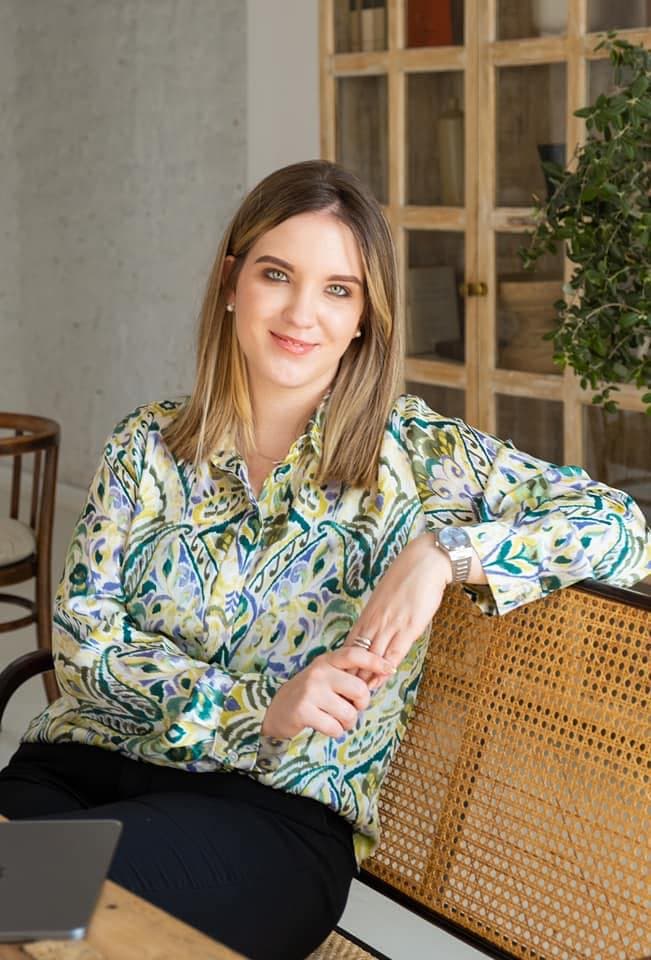
Founder - Political Advisor, International Security and Defence Policy Expert
Shab-e Yalda, the Persian winter solstice celebration, marks the longest night of the year and the symbolic rebirth of the sun. It is a time for family, poetry, and shared hope.
“Blessed was that dawn, and fortunate that night.” — Hafez of Shiraz
Shab-e Yalda, the Persian winter solstice celebration, is one of those rare nights when time feels thicker, slower, almost sacred. On the calendar it is simply the longest night of the year, but in Persian culture it marks a turning point: the symbolic rebirth of the sun and the return of light. Even the name hints at this deeper meaning. Shab means “night”, and Yalda means “birth”. Yalda is therefore the “Night of Birth”: the moment when, after months of shortening days, the first tiny victory of light over darkness is quietly welcomed.
The Gathering
Traditionally, families and friends gather on this night at the home of an elder, often grandparents, and they make a point of staying awake. They talk, laugh, tell stories and play games, stretching the hours far past midnight. The purpose is not simply to survive the longest night, but to colour it with stories, laughter and presence. While the world outside is dark and cold, inside people linger over food and conversation, without rushing.
The Yalda Table
The Yalda table is the heart of this gathering. It is covered with winter fruits and nuts: pomegranates with their jewel-like seeds, slices of watermelon saved or bought especially for the occasion, bowls of dried fruit, pistachios, almonds and walnuts. The red of the pomegranate and watermelon is not accidental. It evokes the colour of sunrise and the glow of fire, a visual reminder that warmth and light will slowly return.
In older homes, people would sit around a korsi, a low wooden table with a brazier underneath and a thick quilt draped over it. Everyone would tuck their legs under the quilt, sharing the same pool of warmth. Even in modern apartments without a korsi, the feeling is similar: the table becomes a small island of light and abundance in the middle of the winter night.
Poetry and Hafez
Poetry, and especially Hafez, plays a central role. For many Iranians, the Divan-e Hafez is not just a book of poems but a companion for reflection and a source of comfort. On Shab-e Yalda, one of the most beloved rituals is fal-e Hafez, “seeking an omen” from the poet.
The custom is simple but intimate. Someone places a hand on the book, makes a silent wish or thinks of a question, and opens it at random. A poem is chosen, and an elder or fluent reader recites it aloud. The room quiets; everyone listens carefully, searching in the metaphors and images for a hint of guidance. Together they interpret the verses as an answer: perhaps a gentle encouragement, a warning, or a reminder to be patient. Whether you think of this as fortune-telling, meditation or just a beautiful game, it is a way of turning uncertainty into shared reflection. In the middle of the longest night, people turn to words not to escape reality, but to understand it differently.
A Night of Memory
There is also a quieter, emotional layer to Yalda. For many who celebrate it, especially in the Iranian and Afghan diaspora, Shab-e Yalda is a night of memory. It carries the taste of childhood: the way pomegranate juice stained fingers, the sound of an older relative’s voice reading poetry, the warmth of sitting too close under a quilt.
When people move away—from one city to another, from one continent to another—this night becomes a portable piece of home. A simple bowl of pomegranates on a table somewhere in Europe or North America, a video call with relatives, a short Hafez verse shared in a family chat: all of these are ways to stitch the present back to a long chain of past Yalda nights.
A Universal Message
At the same time, Yalda is not a closed, nostalgic ritual. Its central message is surprisingly universal. The symbolism is clear: darkness stands for hardship, uncertainty, fear; light stands for clarity, renewal and hope. The tradition does not deny the existence of darkness—the night is indeed long. Instead, it offers a very human response: if the night is going to be long, let us face it together. Let us talk, eat, read, remember and laugh until the first signs of morning appear. Hope, in this perspective, is not a solitary feeling but a shared practice.
In a world that often feels overloaded with bad news, Shab-e Yalda offers a gentle, almost quiet lesson. It says that not all turning points are loud or dramatic. Some changes begin invisibly, with a tiny shift in the balance of light and darkness that only becomes obvious later. After the solstice, the days do not suddenly become warm or bright; winter is still at its beginning. But something fundamental has changed: the direction of time feels different. The same is true in life. We rarely know the exact moment when things begin to improve. Often it happens in the middle of uncertainty, while we are still afraid, still tired, still unsure of the future — and, let us be honest, we all need our share of Yalda to remind us that change can begin quietly long before we see the light.
So when Hafez writes of a “fortunate night” and a “blessed dawn”, he is not promising a world without struggle. He is reminding us that some nights are meaningful precisely because they lead into a new kind of morning. Shab-e Yalda is one of those nights: a pause at the edge of winter, when people sit together and quietly rehearse an ancient truth – that the light, even when we cannot yet see it, is already on its way back.
Perhaps the spirit of this night is captured best in a few lines often attributed to Hafez:
“I wish I could show you when you are lonely or in darkness, The astonishing light of your own being!”
On Shab-e Yalda, we try to remember that this light is not only the returning sun, but also something we carry within ourselves and recognise in one another.
Об авторе
Founder - Political Advisor, International Security and Defence Policy Expert
Blanka Benkő-Kovács is a Political Advisor at the Ministry of Energy and an expert in international security and defence policy, focusing on Central Asia, Iran, Afghanistan, and the interplay of climate risks and energy policy.